
Introduction to Chinese Bride Price Culture
This piece dives into the complexities of the bride price, its historical background, and its role https://www.momjunction.com/articles/dating-quotes_00718277/ in today’s Chinese weddings.
Bride price, known as “caili” in Chinese, involves the groom’s family providing money to the bride’s family before or during the marriage. Historically, this tradition acted as a means of recognizing the value and status of the bride within her family and community.
The amount and nature of the bride price vary significantly based on geography, socio-economic status, and local customs. Certain communities emphasize luxury and high monetary bride prices, whereas others consider simple tokens sufficient.
As modernization and changing social norms affect China, bride price traditions are evolving.
Bride Price China: Regional Variations and Practices
While money is predominant in the north, the south may prioritize symbolism through valuables and family heirlooms.
The financial demands of bride price in rural regions can be quite steep, often requiring long-term saving.
Ethnic minority communities may include special ceremonial rituals or alternative bride price practices. In regions with Miao or Yi populations, bride price might include animals, crafted items, or community feasts.
Economic and social variables shape how communities approach bride price negotiations and expectations. Scarcity of brides in certain areas has driven bride prices to soar, intensifying social challenges.
Chinese Marriage Cost: Bride Price within the Larger Wedding Expense Context
Bride price is only one part of the total expenditure associated with Chinese weddings. In addition to bride price, expenses often include catering, traditional outfits, decoration, and hospitality.
Chinese dating the costs can vary widely based on urban versus rural settings, family wealth, and social expectations. For affluent families, total wedding costs can reach high values, with substantial bride price contributions.
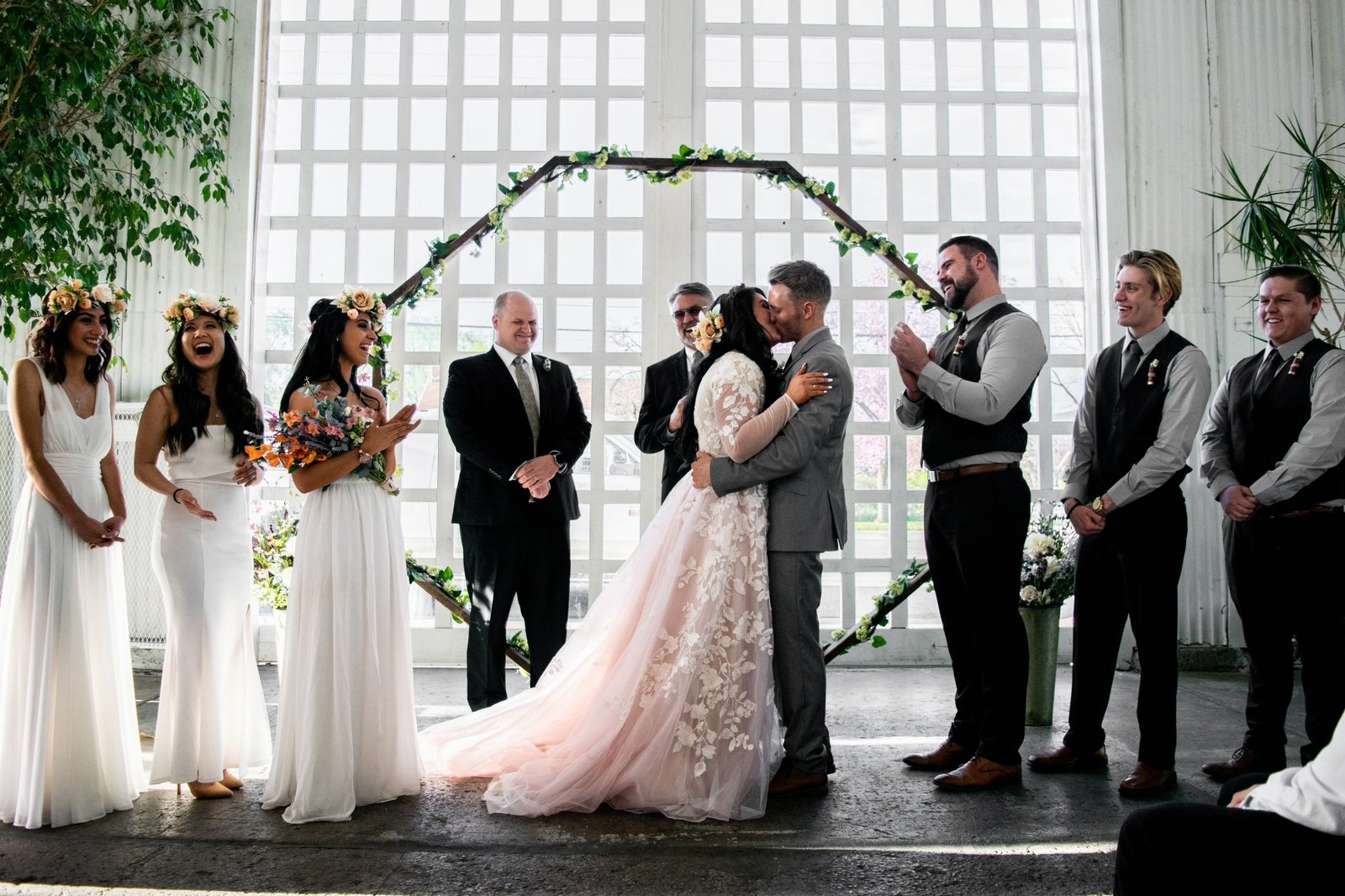
Beyond money, brooms, jewelry, and traditional symbols are often exchanged alongside bride price. Such gifts enhance the cultural value of the marriage while increasing the overall cost complexity.
In parts of China, measures aim to reduce bride price inflation to ease economic pressure on young couples. The impact of these policies fluctuates with regional and cultural compliance.
The Social and Cultural Significance of Bride Price in Chinese Society
Bride price functions as more than a financial arrangement; it is a meaningful social contract.
In many communities, bride price ties closely to family honor and societal status.
Through bride price negotiation, families engage in building lasting social networks. Community harmony is often strengthened by honoring bride price commitments.
Women’s roles and views on bride price are evolving alongside broader cultural changes. This evolution affects how bride price is negotiated and honored in marriages.
Negotiations tend to be collaborative rather than dictated solely by families. Mutual agreement demonstrates respect for heritage alongside modern values.
Modern Challenges and Opportunities in Chinese Bride Price Customs
Changing social landscapes prompt bride price to evolve while maintaining core values.
Regulatory actions aim to balance tradition with fiscal and social responsibility.
Understanding its nuances provides insight into broader Chinese social and familial values.
Today, bride price still stands as a symbol linking ancestry with contemporary marital life.
